




Ever wondered why your teeth start to throb after a wisdom tooth extraction?
If you’ve recently had your wisdom teeth pulled, you might be familiar with that unexpected pain in the teeth that follows.
This discomfort is common, but understanding why it happens and how to manage it can make a world of difference in your recovery.
At Mahogany Oral Surgery, we believe in empowering our patients with knowledge so they can feel confident about their dental care.
Let’s dive into the details of why you might experience pain in teeth after wisdom teeth extraction, what the procedure entails, and how our skilled oral surgeons can help.
Why Do We Remove Wisdom Teeth Anyway?

Think of your mouth as a jigsaw puzzle where all pieces need to fit perfectly. Your wisdom teeth, or third molars, are often the odd pieces that don’t quite fit, leading to potential crowding, infection, and other oral health issues.
For many adults, teeth removal, specifically getting their wisdom teeth removed, is a proactive step to prevent these complications.
The Evolutionary Mystery of Wisdom Teeth
Wisdom teeth, the last set of adult teeth to emerge, were essential for our ancestors who needed the extra molars to chew raw roots, nuts, and meats. Today, however, our diets are much softer, and our jaws have evolved to be smaller.
This mismatch often leaves little room for these third molars, causing them to become impacted or grow at odd angles, potentially leading to pain, infection, or damage to adjacent teeth.
When Wisdom Teeth Become a Problem
Not all wisdom teeth need to be removed. However, if they’re causing discomfort, are partially erupted, or growing in sideways, it might be time to consider wisdom teeth removal.
Wisdom teeth that are impacted or partially erupted can be a breeding ground for bacteria, leading to infections or cysts that could damage the surrounding teeth and bone.
Practical Tip: If you’re experiencing any discomfort or swelling at the back of your mouth, consult with an oral surgeon to evaluate the position and health of your wisdom teeth.
What to Expect During a Wisdom Tooth Extraction

If the thought of a wisdom tooth procedure makes you cringe, you’re not alone. But understanding what the procedure involves can help alleviate some of that anxiety.
At Mahogany Oral Surgery, we aim to make your experience as smooth and comfortable as possible.
The Role of the Oral Surgeon
A dentist or oral surgeon is a specialist who deals with the complexities of tooth extractions and other surgical procedures related to the mouth, teeth, jaws, and face.
Their expertise is crucial, especially for more complicated extractions where teeth are impacted or close to vital nerves.
The Extraction Process Unveiled
Here’s a brief overview of what typically happens during a wisdom tooth removal:
- Consultation and Imaging: Your oral surgeon will conduct a thorough examination, often using X-rays to determine the exact position of the wisdom teeth and their proximity to nerves and other structures.
- Anesthesia: Depending on the complexity of the extraction and your comfort level, your surgeon might administer local anesthesia, sedation, or general anesthesia to ensure a pain-free experience.
- Extraction: The actual removal process may involve making an incision in the gum tissue to access the tooth and then extracting it. Sometimes, the tooth may need to be broken into smaller pieces for easier removal.
- Stitching and Recovery: The area is then cleaned and stitched up, if necessary, to promote healing. You’ll receive detailed post-operative care instructions to ensure a smooth recovery.
Practical Tip: Follow your oral surgeon’s aftercare instructions meticulously to reduce the risk of complications such as dry socket or infection.
Pain in Teeth After Wisdom Tooth Extraction: What’s Normal and What’s Not

Experiencing wisdom tooth pain after extraction is fairly common and usually not a cause for alarm.
However, understanding the nature of this pain can help you differentiate between normal healing and potential complications.
The Anatomy of Post-Extraction Pain
Post-extraction pain often results from the body’s natural inflammatory response to surgery, which is a crucial aspect of wisdom teeth recovery. As your body works to heal the surgical site, you might feel pain radiating to nearby teeth. This is called “referred pain” and is generally normal during the first few days post-extraction.
However, if the pain intensifies after a few days or becomes localized to a specific tooth, it could indicate other issues such as dry socket, an exposed nerve, or an infection.
Managing the Pain
Most post-extraction pain from wisdom teeth extraction can be managed with over-the-counter pain relievers like ibuprofen. Applying an ice pack to the area for the first 24 hours can also help reduce swelling and numb the pain. Your oral surgeon might prescribe stronger pain medication if necessary, especially if multiple teeth were removed or if the extraction was particularly complicated.
Practical Tip: Avoid drinking through straws or consuming hot liquids during the initial healing period to prevent dislodging the blood clot, which is crucial for proper healing.
The Importance of Choosing the Right Oral Surgeon

When it comes to wisdom tooth removal, the expertise of your oral surgeon can significantly impact both the procedure and your recovery. At Mahogany Oral Surgery, we prioritize patient comfort and use the latest techniques and technologies to minimize discomfort and speed up recovery times.
Expertise and Experience Matter
Oral surgeons undergo years of additional training beyond dental school, focusing on surgical procedures and complex extractions. This specialized training allows them to handle complications that may arise during and after the surgery, ensuring you receive the highest standard of care.
Advanced Technology for Better Outcomes
Our practice uses state-of-the-art imaging and surgical tools to ensure precision and minimize trauma to surrounding tissues. This advanced technology can make a significant difference in your recovery time and the overall success of the procedure.
Practical Tip: When choosing an oral surgeon, don’t hesitate to ask about their experience with wisdom tooth extractions and the types of technology they use to enhance patient outcomes.
How to Prepare for Your Wisdom Tooth Extraction
Preparation is key to a smooth and stress-free wisdom tooth extraction. Knowing what to do before, during, and after the surgery can help ease anxiety and ensure a quicker recovery.
Pre-Operative Instructions
Your oral surgeon will provide you with a list of instructions to follow before your procedure. These may include fasting if you’re undergoing sedation, arranging for transportation, and avoiding certain medications that could interfere with anesthesia.
Practical Tip: Wear loose, comfortable clothing on the day of your surgery, and avoid wearing makeup or jewelry that could interfere with the surgical process.
Post-Operative Care: The Road to Recovery
After your wisdom tooth extraction, you’ll receive specific care instructions to help manage pain and prevent infection. These typically include recommendations for soft foods, proper oral hygiene, and the use of cold compresses to manage swelling.
Practical Tip: Stock up on easy-to-eat foods like yogurt, applesauce, and mashed potatoes to keep yourself nourished without irritating the surgical site.
Common Complications and How to Avoid Them
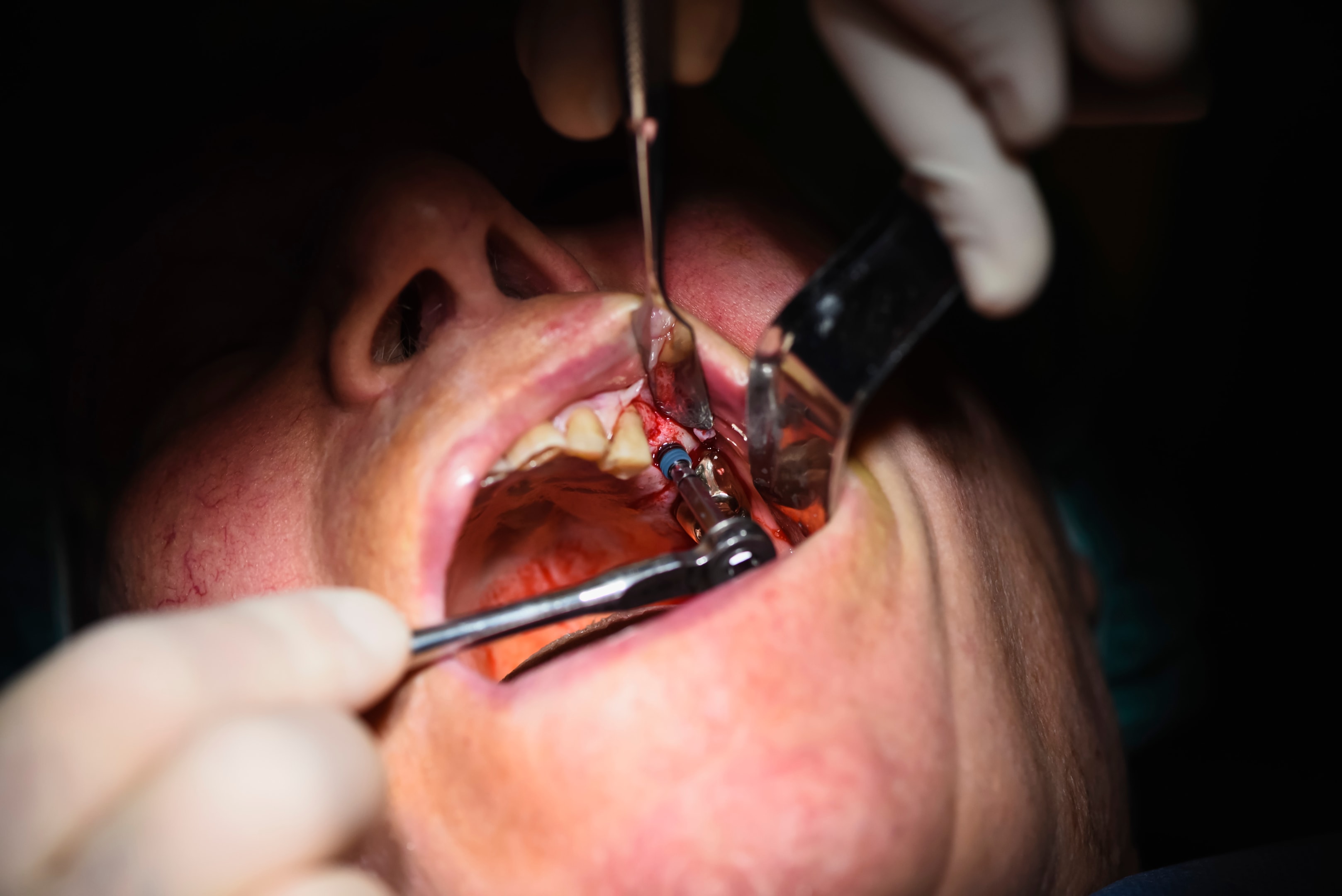
While wisdom teeth removal is a routine procedure, it’s not without its risks. Understanding the potential complications can help you recognize symptoms early and seek prompt care.
Dry Socket: The Dreaded Complication
Dry socket occurs when the blood clot that forms in the space after tooth extraction becomes dislodged or dissolves, exposing the underlying bone and nerves. This can cause severe pain and delay healing. To minimize your risk of dry socket, avoid smoking, drinking through straws, and vigorous rinsing during the first few days after surgery.
Infections and Nerve Damage
Infections are rare but can occur if bacteria enter the extraction site. Symptoms might include increased pain, swelling, and a foul taste or odor.
In rare cases, nerve damage can occur, particularly if the wisdom teeth are close to major nerves. This might cause temporary or, in rare cases, permanent numbness in the lip, chin, or tongue.
Practical Tip: Contact your oral surgeon immediately if you experience any unusual symptoms such as prolonged numbness, excessive swelling, or fever.
Final Thoughts: Embrace the Journey to Better Oral Health

Experiencing pain in teeth after wisdom teeth extraction is a common part of the healing process. With the right care and guidance from your oral surgeon, you can manage this discomfort effectively and ensure a smooth recovery.
At Mahogany Oral Surgery, we’re here to support you every step of the way, providing expert care to keep your smile healthy and pain-free.
Remember, wisdom teeth extraction is often a necessary step toward preserving your overall oral health. By understanding the process and knowing what to expect, you can approach this procedure with confidence and ease.
If you’re considering wisdom teeth extraction or have concerns about pain in teeth after the procedure, don’t hesitate to reach out to Mahogany Oral Surgery.
Our team is dedicated to providing the highest quality care to residents in SE and SW Calgary and the surrounding communities. Schedule a consultation today and take the first step towards a healthier, more comfortable smile.

By focusing on what causes pain in teeth after wisdom teeth extraction and how to manage it, you can help patients feel more at ease with their decision to undergo this procedure. Remember, effective communication and compassionate care are key in guiding patients through their dental health journey.