



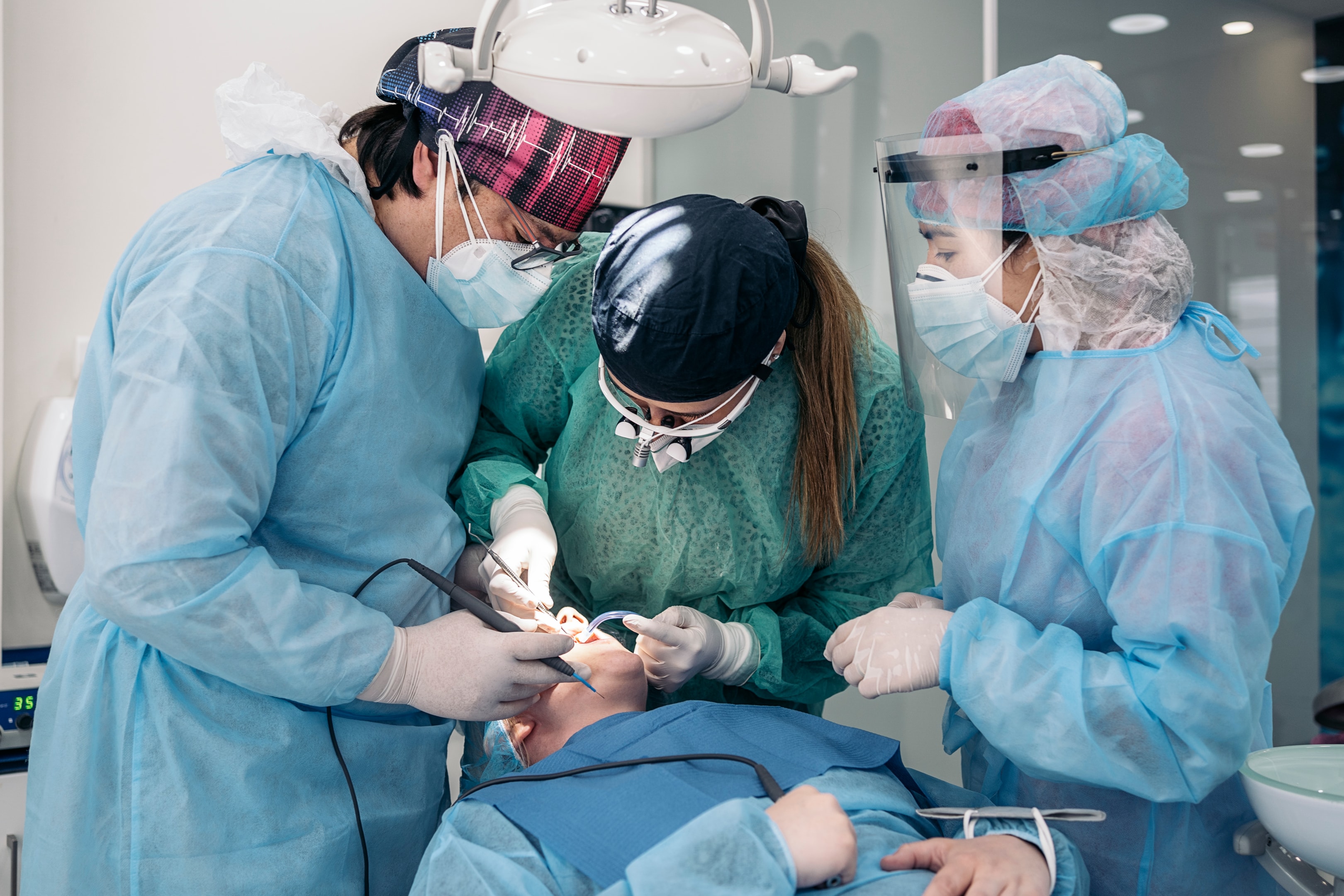
Orthognathic surgery, commonly referred to as jaw surgery, is a life-changing procedure for many patients. It can correct a range of jaw problems, from misalignment of the upper and lower jaws to issues with chewing, breathing, or speaking. However, as important as the surgery is, the recovery for orthognathic surgery plays an equally vital role in ensuring a successful outcome. Proper recovery from orthognathic surgery is the key to achieving the best functional and aesthetic results.
At Mahogany Oral Surgery in Calgary, we are dedicated to helping our patients understand the full scope of what they can expect after surgery, from the moment they leave the operating room to the time they regain the full function of their jaws. In this blog, we’ll provide a detailed look at the recovery process, what you can do to aid healing, and how to manage discomfort during this critical phase.
Whether you’ve had upper jaw surgery, lower jaw surgery, or a combination of both, this guide will walk you through the important steps to ensure your recovery is as smooth as possible.
Preparing for Jaw Surgery

Preparing for jaw surgery is a crucial step in ensuring a smooth and successful recovery. Proper preparation can help minimize complications and set the stage for a positive outcome. Here are some essential steps to take before your surgery day:
- Verify Your Appointment: Double-check your surgery date, time, and location with your oral and maxillofacial surgeon to avoid any last-minute surprises.
- Stop Smoking: If you smoke, it’s important to quit at least two weeks before your surgery. Smoking can increase the risk of complications and slow down the healing process.
- Avoid Certain Medications: Inform your surgeon about any medications you’re currently taking. Some medications may need to be stopped before surgery to reduce the risk of bleeding or other complications.
- Plan for Transportation: Arrange for someone to drive you to and from the hospital or surgery centre. You won’t be able to drive yourself due to the effects of anesthesia.
- Prepare Your Home: Stock up on soft foods, protein supplements, and pain medication to ensure you have everything you need for a comfortable recovery at home.
- Attend Pre-Surgery Appointments: Make sure to attend all scheduled appointments with your surgeon and orthodontist. These appointments are crucial for discussing your treatment plan and addressing any concerns you may have.
Tip: Essential Steps to Ensure a Smooth Surgery Day
To ensure a smooth surgery day, follow these essential steps: verify your appointment, stop smoking, avoid certain medications, plan for transportation, prepare your home, and attend pre-surgery appointments. These steps will help you feel more prepared and reduce the risk of complications.
The First Few Days: What to Expect

Immediately after surgery, you’ll likely feel groggy and sore due to the effects of general anesthesia. You’ll be advised to rest, and swelling will be at its peak during these first few days. Swelling is completely normal and can be managed with ice packs, which should be applied to the outside of your jaw in intervals of 15-20 minutes. This helps with swelling reduction and provides relief from discomfort.
Bleeding is also common in the first 24 to 48 hours after surgery, especially if jaw bones were repositioned or a maxillary osteotomy or mandibular osteotomy was performed. You may notice some bleeding from the surgical site, but your surgeon will give you instructions on how to manage this.
Small amounts of bleeding are normal, but if you experience excessive bleeding, you should contact your surgeon immediately.
Tip: Navigating the Initial Recovery Phase
To navigate the initial recovery phase successfully, rest and relax, follow a liquid diet, take pain medication as prescribed, apply ice packs, and attend follow-up appointments. These steps will help you manage discomfort and promote healing.
The Procedure and Immediate Aftermath
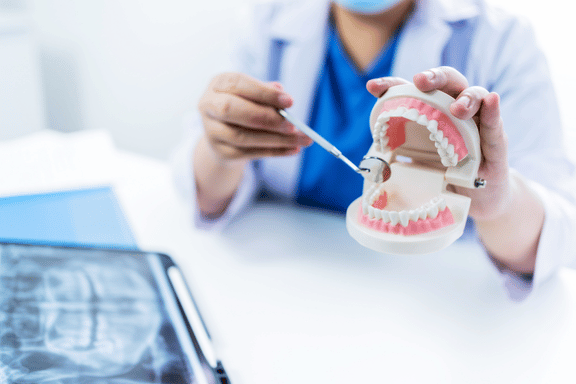
Jaw surgery, also known as orthognathic surgery, is a complex procedure that requires careful planning and execution. Understanding the surgical process and immediate post-operative care can help you feel more prepared and confident. Here’s what you can expect:
- Surgical Process: During the surgery, your surgeon will make precise incisions in your jaw bones and move them into the correct position. They may use plates, screws, and wires to secure the bones in place.
- Upper Jaw Surgery (Maxillary Osteotomy): This procedure involves cutting the bone above your upper teeth to move the entire upper jaw forward or backward. It helps correct alignment issues and improve the way your upper teeth align with your lower teeth.
- Lower Jaw Surgery (Mandibular Osteotomy): This procedure involves cutting the bone behind your lower teeth to move the lower jaw forward or backward. It’s often performed to correct an underbite or overbite.
- Chin Surgery (Genioplasty): In some cases, chin surgery is performed alongside orthognathic surgery. This involves cutting a piece of the chin bone and moving it forward to correct a receded chin and improve facial balance.
- Immediate Care: After surgery, you’ll be taken to the recovery room where you’ll be closely monitored for several hours. Your surgeon will provide detailed instructions on pain management, diet, and oral hygiene to ensure a smooth recovery.
Liquid Diet: Fueling Your Body for Healing with a Liquid Diet

One of the most significant changes after orthognathic surgery is your diet. Chewing will be off-limits for several weeks, and you will need to stick to a liquid diet. While this might seem restrictive, maintaining proper nutrition during recovery is essential to promote complete healing and support your body as it adjusts to the changes in your jaw.
Ensuring adequate nutrient intake during the liquid diet phase is crucial for your overall recovery and health.
Soups, smoothies, broths, and protein shakes are excellent options to ensure you’re getting the right nutrients. Protein supplements are highly recommended to aid in the repair of jaw muscles and tissues around the surgical area. Protein plays a critical role in helping your body rebuild the tissues affected by surgery, which will speed up your recovery.
During this time, it’s important to avoid any foods or liquids that require sucking through a straw, as the pressure can increase the risk of bleeding and disrupt the healing of your jaw bones. As your recovery progresses, you will gradually transition to soft foods before returning to your regular diet.
Focus on nutrient-dense liquids. Incorporate smoothies made with fruits, vegetables, and protein powder to ensure you’re getting the right balance of nutrients while maintaining your liquid diet.
Understanding the Different Types of Orthognathic Surgery

Orthognathic surgery can involve different parts of the jaw, and the type of surgery you undergo will influence your recovery. If you’ve had upper jaw surgery, also known as a maxillary osteotomy, the upper jaw is surgically repositioned to correct alignment issues, which can impact the way your upper teeth align with your lower teeth. This surgical realignment is crucial for achieving proper bite and facial symmetry.
For patients who undergo lower jaw surgery, also referred to as a mandibular osteotomy, the lower jaw is adjusted to correct an underbite or overbite. In some cases, chin surgery (also called genioplasty) is performed alongside orthognathic surgery to improve the overall balance and symmetry of the face.
Regardless of the type of surgery involved, the jaw bones need time to heal in their new position. Following your post-operative instructions carefully is crucial to ensure proper healing. You’ll also need to follow up with your orthodontist if you have braces as part of your treatment plan. Orthodontic treatment may be necessary to finalize the alignment of your teeth after surgery.
Don’t rush your recovery. Allow your jaws to heal fully in their new position before reintroducing more challenging foods or activities that could strain the jaw muscles.
Pain Management: Staying Comfortable During Recovery

Pain and discomfort are joint after orthognathic surgery, especially in the jaw, chin, and lower lip regions. Implementing effective pain relief strategies is crucial during this period. While the pain might be uncomfortable, it’s important to remember that it’s a natural part of the healing process. You will likely be prescribed pain medication to manage any discomfort during the initial stages of recovery.
Over-the-counter pain relievers, such as ibuprofen, can also be used to alleviate minor discomfort. However, it’s essential to take all medications as prescribed and not exceed the recommended dosage. If you have any concerns about your pain medication or if the pain becomes unbearable, consult your surgeon for advice.
Keep track of your medication schedule to ensure you’re managing your pain effectively. Staying ahead of your pain by taking medication at the first sign of discomfort will help keep you more comfortable during your recovery.
Oral Hygiene: Protecting Your Healing Jaw

Good oral hygiene is essential after surgery to prevent infections and promote complete healing. While brushing your teeth may be difficult during the first week due to swelling and sensitivity around the surgical area, gentle care is still necessary. You may be instructed to rinse your mouth with warm water and salt solution to keep the surgical sites clean and reduce the risk of infection.
Infection prevention through good oral hygiene is crucial to avoid complications and ensure a smooth recovery.
As you regain mobility in your jaw, you’ll be able to return to regular brushing, though you may need to use a soft-bristled toothbrush to avoid irritating any delicate areas. Avoid brushing directly over your stitches or near the incision points until your surgeon gives you the go-ahead.
Rinse your mouth with a prescribed mouthwash or warm water several times a day to keep your mouth clean and reduce the risk of infection.
Stages of Recovery: A Timeline to Expect

Recovery from orthognathic surgery varies for each patient, but there is a general healing timeline you can expect. In the first week, you’ll focus on managing pain, swelling, and discomfort while following a liquid diet. By the second week, the swelling will start to subside, but you may still experience stiffness in the jaw muscles.
Over the next several weeks, the bones of the upper and lower jaws will continue to heal, and you’ll gradually transition from a liquid diet to soft foods.
Full recovery can take several weeks to a few months, depending on the complexity of your surgery and your adherence to post-operative care.
Throughout this time, it’s crucial to attend all follow-up appointments with your surgeon and orthodontist to monitor your progress and make any necessary adjustments to your treatment plan.
Be patient with the healing process. While the recovery time may feel slow at times, every week brings you closer to your final result.
The Importance of Long-Term Care

Even after you’ve completed the initial phases of recovery for orthognathic surgery, it’s important to maintain long-term care of your jaws and teeth.
Your jaw bones will continue to adjust to their new position, and wearing retainers or finishing your braces treatment will ensure that your teeth stay aligned properly.
Continuing with good oral hygiene and following up with your orthodontist will help you maintain the results of your surgery. Regular dental checkups are essential to monitor the health of your teeth, gums, and jaw.
Long-term success comes from consistency. Stay diligent with your follow-up care and practice healthy habits to keep your jaws functioning well.
Conclusion: Embrace the Journey to Healing
The recovery for orthognathic surgery is a gradual process that requires patience, dedication, and care. Each stage of healing, from managing pain in the first week to transitioning back to a normal diet, brings you one step closer to a fully functional and healthy jaw.
At Mahogany Oral Surgery in Calgary, we’re here to support you through every phase of your recovery journey. By staying on top of your post-surgical care, following the advice of your surgeon, and nourishing your body with the right nutrients, you’ll set yourself up for long-term success.